Tax Agency Number (TAN) 30004113

The Sharjah Airport International Free Zone, known as SAIF Zone, is a great place for companies from all over the world. One important part of working in the SAIF Zone is following its rules, especially for financial reporting. This is where SAIF Zone Approved Auditors are helpful. They help keep things clear and make sure businesses follow the needed standards. This article will look at why these auditors are important and how they help businesses grow in the SAIF Zone.
The SAIF Zone has rules that help it grow and stay strong. One important part of these rules is financial transparency and accountability. This comes from required audits for every registered business.
These audits make sure that companies keep good accounting records. They also help businesses follow international accounting standards and be open about their finances. This builds trust with investors and helps the SAIF Zone be stable and respected.
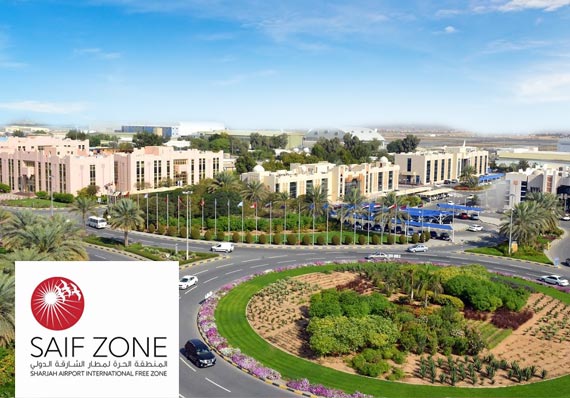
The Sharjah Airport International Free Zone is located next to the Sharjah International Airport. This location makes it great for business operations and trade. With its excellent connectivity and advantages, it is a top choice for many businesses.
Its closeness to major shipping routes, like Port Khalid and Port Khorfakkan, adds to its appeal. Businesses here can use this ease of transport for smooth import and export operations. The zone also offers support for business growth. It provides benefits like tax exemptions, customized office spaces, and fast-track visa services. This support helps businesses establish themselves quickly and focus on their operations rather than administrative hassles.
Just submit your contact details and we’ll be in touch shortly.
SAIF Zone Approved Auditors play a crucial role in ensuring that businesses comply with business regulations and maintain transparency. By conducting regular audits, they help detect any discrepancies or irregularities in accounting records.
These auditors not only help companies adhere to international accounting standards but also provide valuable insights for improving management practices. Their expertise contributes to building credibility and trust among stakeholders, which is essential for long-term success. easy business setup processes, and access to skilled workers.
Operating in the SAIF Zone has many benefits, but businesses must follow certain rules. One requirement is an annual audit. This is important for keeping a valid trade license. Companies must hire an auditor from the list of SAIF Zone Approved Auditors.
These approved auditors help make sure that financial statements are correct and follow the International Financial Reporting Standards (IFRS). Following these rules is very important. If a company does not follow the SAIF Zone's audit requirements, they could face penalties. This could even lead to losing their trade license.
Knowing and following these rules is not just a legal must. It is also very important for running a business well and keeping it successful in the long run
External audits are very important for companies in the Sharjah International Airport Free Zone. They help keep things clear and ensure financial responsibility. These audits are done by independent auditors who are approved by the SAIF Zone. They carefully check a company's financial records to make sure they show a true picture of its financial situation.
The audit looks at many things, such as how well the internal controls work, checking financial transactions, and ensuring that the accounting rules are followed. This independent checking builds trust among stakeholders. It gives assurance to investors, lenders, and the authorities about the financial strength and compliance of businesses.
The SAIF Zone Authorities require all companies registered in their area to have external audits. This is to promote financial transparency and accountability. It also helps firms follow international best practices. This requirement makes sure businesses keep accurate financial records. This way, it boosts investor confidence and supports a stable economy.
External audits offer an unbiased check on a company's financial statements. These audits are done by SAIF Zone Approved Auditors. They make sure the financial information is correct and meets the proper accounting standards. This independent check boosts the trustworthiness of a company's financial reporting.
Also, these mandatory audits stop financial mistakes and fraud. By having regular audits, the SAIF Zone Authorities encourage companies to behave properly and be transparent, which helps uphold the integrity of the business environment in the free zone.
The SAIF Zone Authorities require all companies registered in their area to have external audits. This is to promote financial transparency and accountability. It also helps firms follow international best practices. This requirement makes sure businesses keep accurate financial records. This way, it boosts investor confidence and supports a stable economy.
External audits offer an unbiased check on a company's financial statements. These audits are done by SAIF Zone Approved Auditors. They make sure the financial information is correct and meets the proper accounting standards. This independent check boosts the trustworthiness of a company's financial reporting.
Also, these mandatory audits stop financial mistakes and fraud. By having regular audits, the SAIF Zone Authorities encourage companies to behave properly and be transparent, which helps uphold the integrity of the business environment in the free zone.
Preparing for an audit helps the process run smoothly. It means getting your financial records in order. You should also check your internal controls and fix any problems before they come up. Businesses need to talk with Approved Auditor to learn the specific needs and timelines for the audit.
It is important to keep communication open with the audit team. You should quickly give them any documents they ask for. If you have questions, ask for clarification. This is key for a smooth audit experience. By preparing ahead, you can keep daily work disruptions low and help the audit finish on time and successfully.
Essential Documents Required for a Smooth Audit Process: The important documents you need for a smooth audit process are financial statements, books of accounts, a trade license, and a management letter. These papers give a clear view of a company's financial records and reporting. They help meet international financial reporting standards. By showing a complete audit trail, companies in the Sharjah International Airport Free Zone can show financial transparency and follow regulatory compliance. This makes the audit process easier for auditors and authorities.
How to Maintain Proper Accounting Records for Audit Readiness: Maintaining accurate and trustworthy financial records is very important for a good audit. Set up a strong accounting system that follows International Financial Reporting Standards (IFRS) to keep your financial data honest and clear.
When you code and sort transactions properly, it creates a good audit trail. This helps auditors see how money moves. You should also use strong internal controls. This protects your assets, stops fraud, and keeps your financial records accurate and reliable.
Check your bank statements, accounts receivable, accounts payable, and inventory regularly. This helps find and fix any mistakes quickly. Keeping your accounting records organized and current makes the audit process easier. It lowers the chance of errors and creates a smooth audit experience.
Selecting the right SAIF Zone Approved Auditor is crucial for a business' financial well-being. Consider the following criteria to make an informed decision:
| Accreditation | - | SAIF Zone Approved Auditors: Ensure the auditor is on the list of approved auditors, demonstrating their compliance with the regulations. |
| Years of Experience | - | An experienced auditor brings valuable insights and a thorough understanding of the business environment. |
| Industry Knowledge | - | Choose an auditor familiar with your industry's specific regulations and best practices for a more relevant and tailored audit approach. |
| SAIF Zone Approved Auditors: Range of Auditing Services | - | Consider your current and future needs and choose an auditor that offers a comprehensive range of services, including audit statement audits, internal control reviews, and tax compliance. |
Hiring an audit firm in the United Arab Emirates requires careful thought about several things. First, make sure the firm has all the right licenses and certifications to work in the UAE. It is also important that their auditors follow international auditing standards. Next, check the firm's knowledge in your industry. A good understanding of the rules, best practices, and risks related to your field will improve the audit's quality and relevance. For example, a firm that focuses on manufacturing may handle things differently than a firm that focuses on services.
Think about the size and resources of the firm to see if they fit your needs. Lastly, clear communication is key. An audit firm that answers your questions quickly, gives regular updates, and works well with you will help make the audit process smoother and more beneficial.
Businesses in the SAIF Zone have to do annual audits. This means they must finish an external audit and send in their financial reports on time. Usually, this is within 90 days after the fiscal year ends. This regular auditing process helps to keep things compliant and ensures financial transparency.
@2019 Saif Chartered Accountants, Dubai, UAE. All rights reserved. | Sharjah Abudhabi DMCC Global